









An Authentic Hogwarts
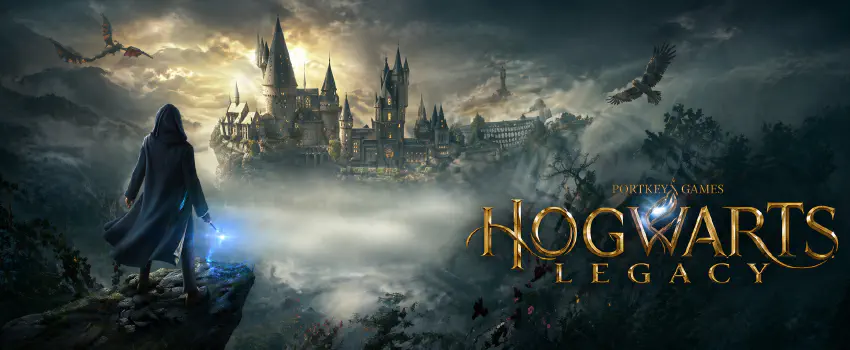
For many, the dream of receiving a letter from a magical school is a cornerstone of childhood. I should preface this by saying that I am not a fan of the books or the universe—quite the opposite, in fact. Despite my lack of personal connection to the source material, I can objectively say that this experience is a masterclass in world-building and high-budget adaptation. It finally gives this franchise the high-budget, open-world treatment it has long deserved.
Technical Execution
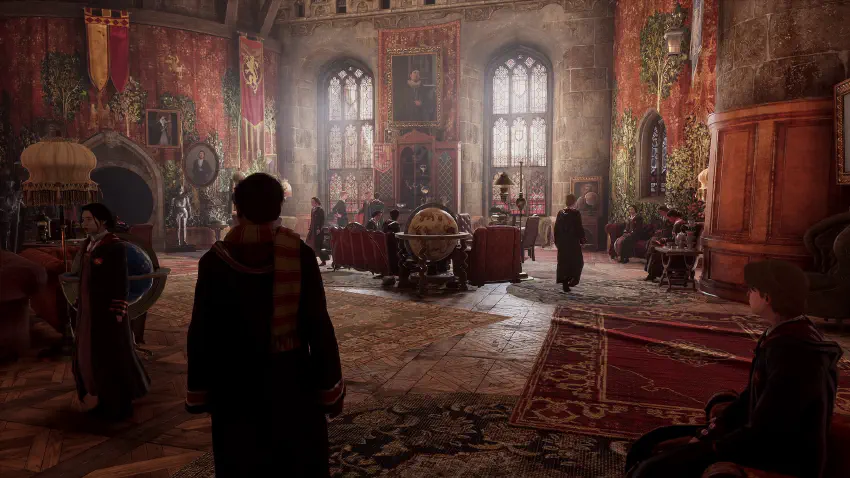
From a developer’s perspective, the implementation within Unreal Engine 4 is fascinating. The scale of the castle is staggering, and the way the developers handled the interior/exterior transitions is a significant technical feat. To maintain the sense of a seamless, sprawling structure, the team had to employ clever level-streaming techniques. You can wander from the highest astronomy tower down to the lake without a loading screen, which is no small task given the sheer density of unique assets and high-resolution textures packed into every hallway.
The lighting work is particularly noteworthy. The way the light spills through the stained-glass windows or reflects off the suits of armor in the corridors creates a palpable sense of history. Every corner of the castle feels like it has a story to tell, filled with magical curiosities and moving portraits that bring the environment to life in a way that feels “alive” rather than just decorated.
Design Decisions and Exploration
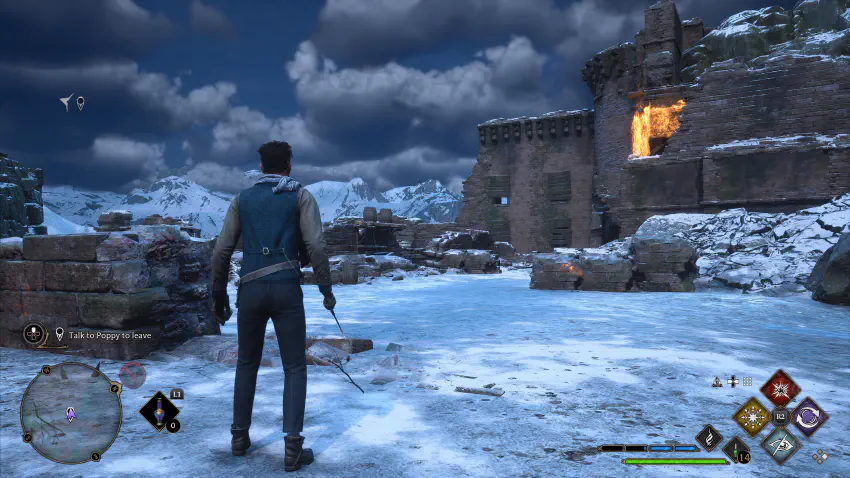
Exploration is where the project truly shines. Flying on a broomstick over the Scottish Highlands is an absolute joy, providing a sense of scale and freedom that is mechanically very well executed. The control scheme for the broom feels intuitive, and the transition between ground and air is smooth—a trade-off in design that prioritized player freedom over strict physical realism.
The combat system is another surprise. Instead of a simple “shooter” mechanic, it encourages you to chain spells together in creative combos. From a design standpoint, the cooldown management and spell-switching systems keep the encounters dynamic. It’s surprisingly robust, rewarding players for experimenting with different magical interactions.
Room for Improvement: The Open World Trade-off
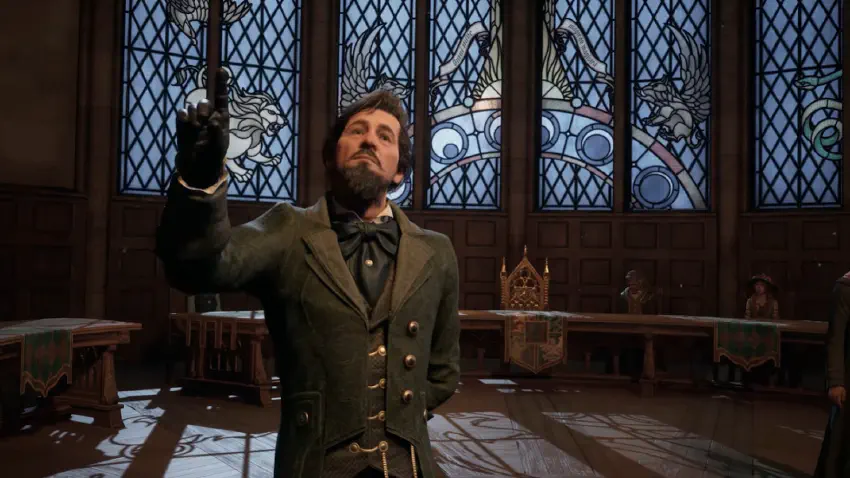
While the castle is a masterpiece of environmental design, the world beyond its walls exposes some common open-world trade-offs. The “hamlets” scattered throughout the map lack the unique personality and asset density of the main hub. From a production standpoint, it’s understandable—building a world of this scale requires a balance between hand-crafted detail and procedural filler—but the contrast is noticeable.
Additionally, the main narrative about Ancient Magic is serviceable, but it doesn’t always feel as personal or urgent as it should. Some of the side activities, like the repetitive Merlin Trials, feel like classic “busy work” intended to extend the playtime rather than enrich the world.
Despite my personal indifference toward the lore, the final product is a triumph. It’s a polished, beautiful, and genuinely well-executed experience that sets a new bar for how to adapt a beloved fictional world into a video game. It proves that even if you don’t care for the universe, good design and technical prowess can still make for a compelling experience.
